Hula Research Center, Tel-Hai University of Kiryat Shmona in the Galilee

Magory Research Group

Ecological and Evolutionary Genomics

Genomes, microbiomes, and adaptation
in a changing world

We study how organisms respond to rapid environmental change — connecting field ecology with genomics, transcriptomics, and microbiome analysis to understand resilience, adaptation, and the future of life in human-altered ecosystems.

Our Research Join the Lab
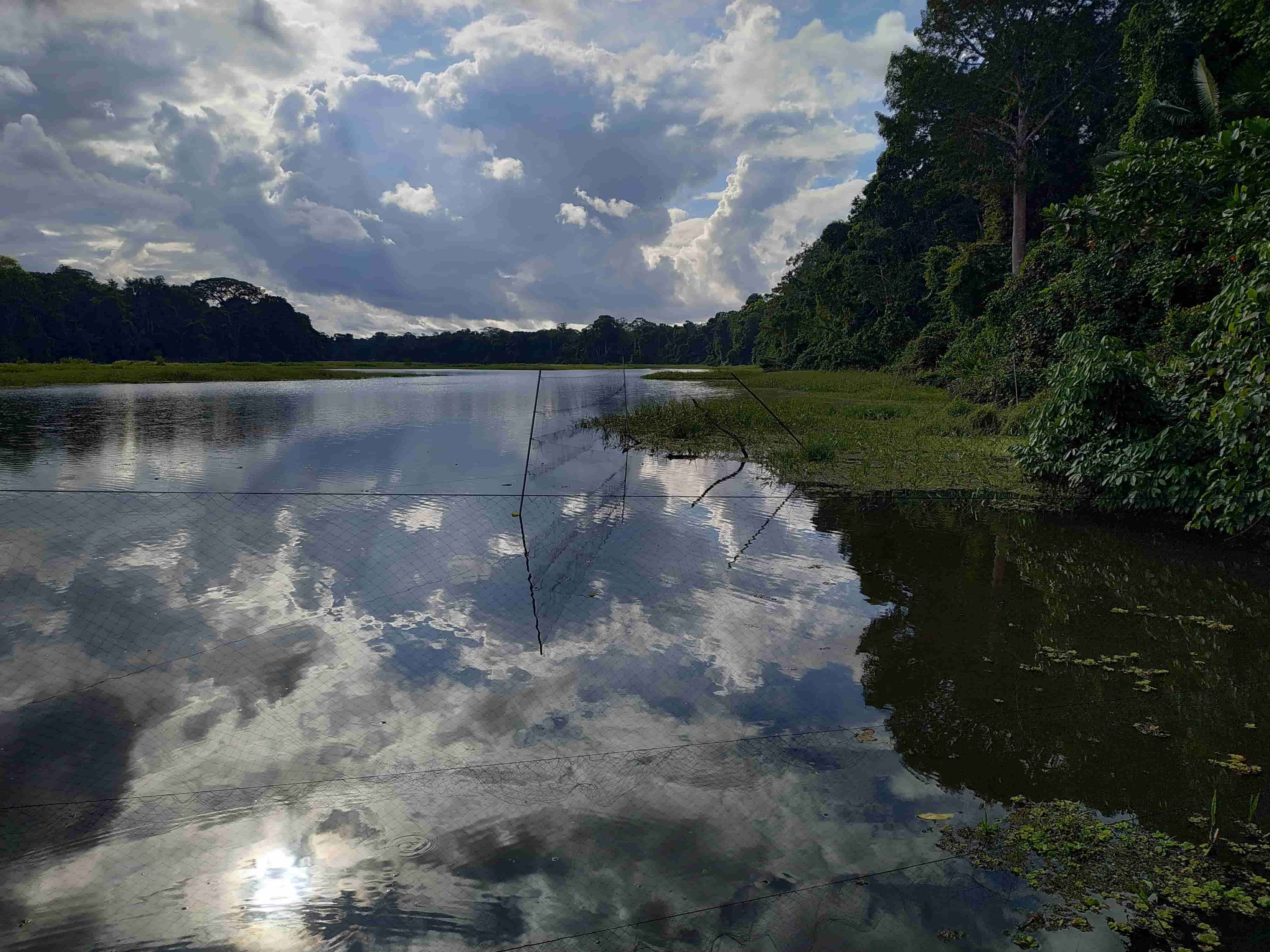
Swallow on net Inside the boat Nets in Blanco

"How do organisms persist, adapt, or become vulnerable in rapidly changing environments?"

Our research group investigates biological responses to anthropogenic change through an integrative genomic lens. We study how environmental stressors — pollution, ecological disruption, and changing resource landscapes — affect vertebrate biology across levels of organization: from gene expression and genomic variation to microbiome structure and host–microbe interactions.


Combining field sampling with genomic, transcriptomic, and microbiome approaches, we aim to understand both the mechanisms and consequences of environmental change — and what these responses can teach us about biodiversity, resilience, and the future of life in human-altered ecosystems.

Research themes

01

Adaptation in Human-Altered Environments

How organisms respond evolutionarily and physiologically to pollution, habitat change, and other anthropogenic pressures.

02

Host–Microbiome Interactions

How microbial communities are shaped by host biology, environment, development, and stress in ecological context.

03

Ecological Genomics of Natural Populations

Using genomic tools to study selection, resilience, population differentiation, and environmental response.

04

Integrative Approaches Across Scales

Connecting field ecology with genomics, transcriptomics, and microbiome analysis to understand real-system responses.

Explore all themes

News & Updates

Lab Launch

Magory Research Group opens at Hula Research Center, Tel-Hai

We are excited to announce the launch of the Magory Research Group of Ecological Genomics at Tel-Hai University of Kiryat Shmona.

Opportunities

Recruiting MSc and PhD students

Interested in ecological genomics or avian biology? We'd love to hear from you.

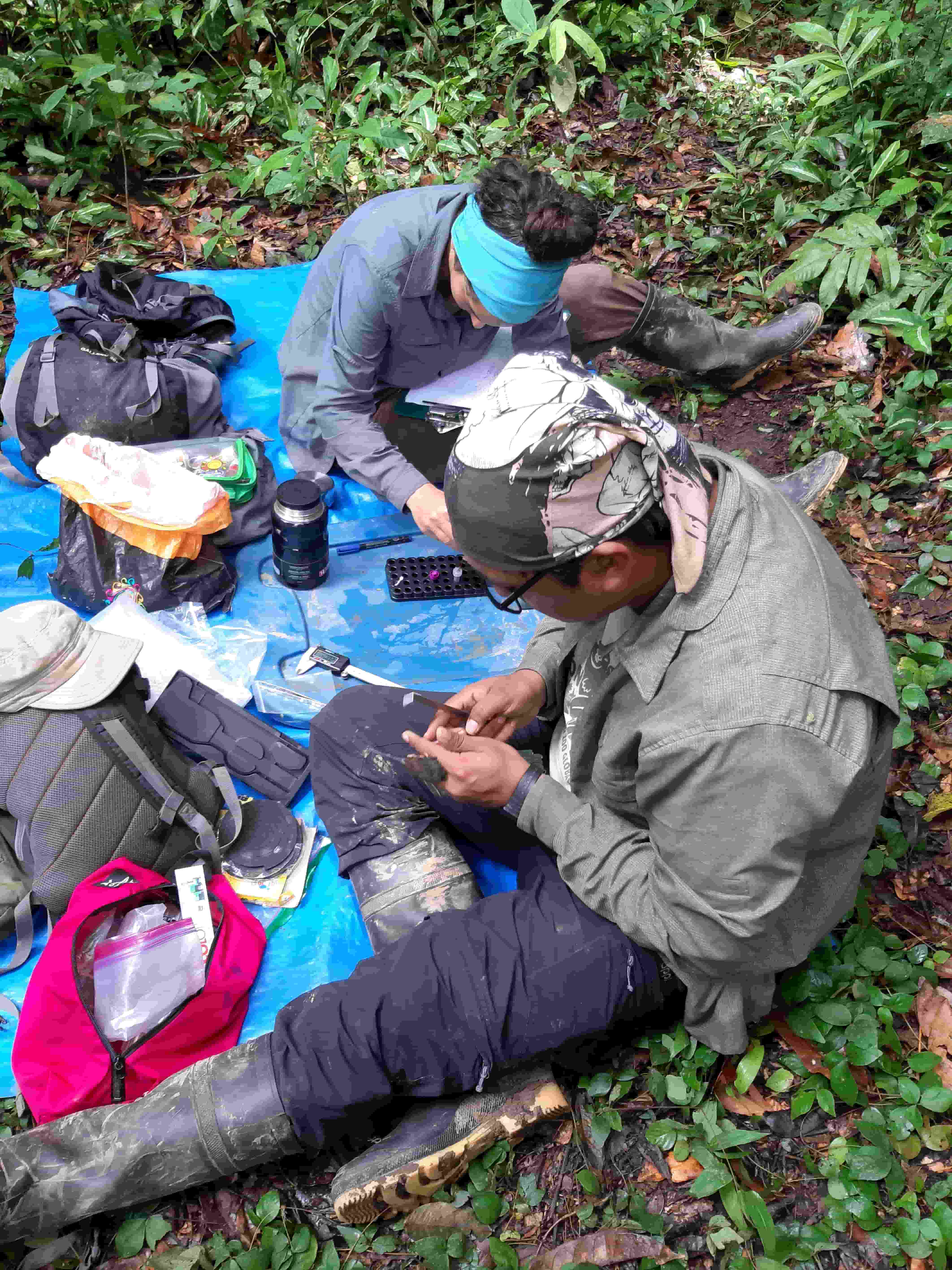
Working on jungle floor
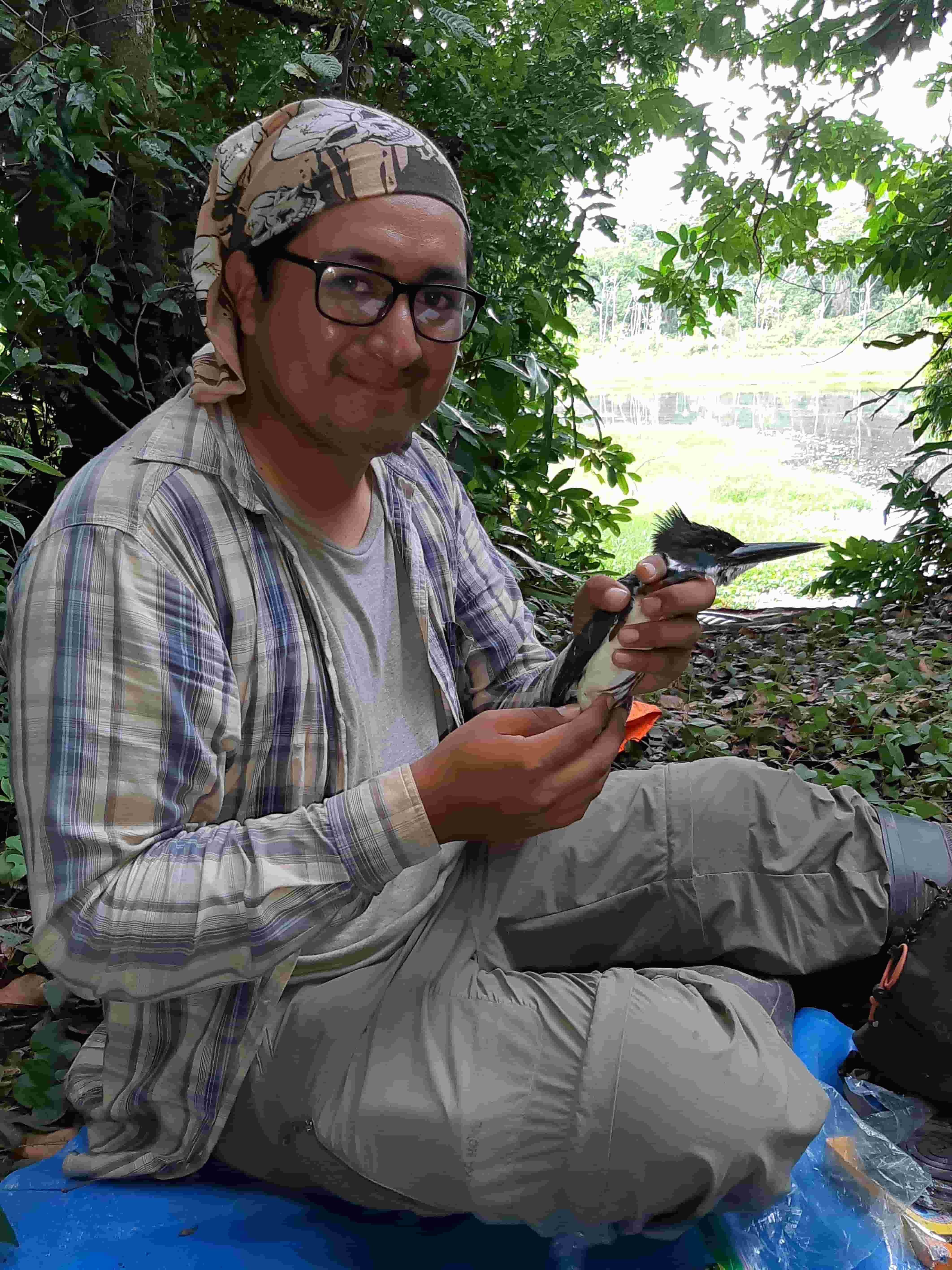
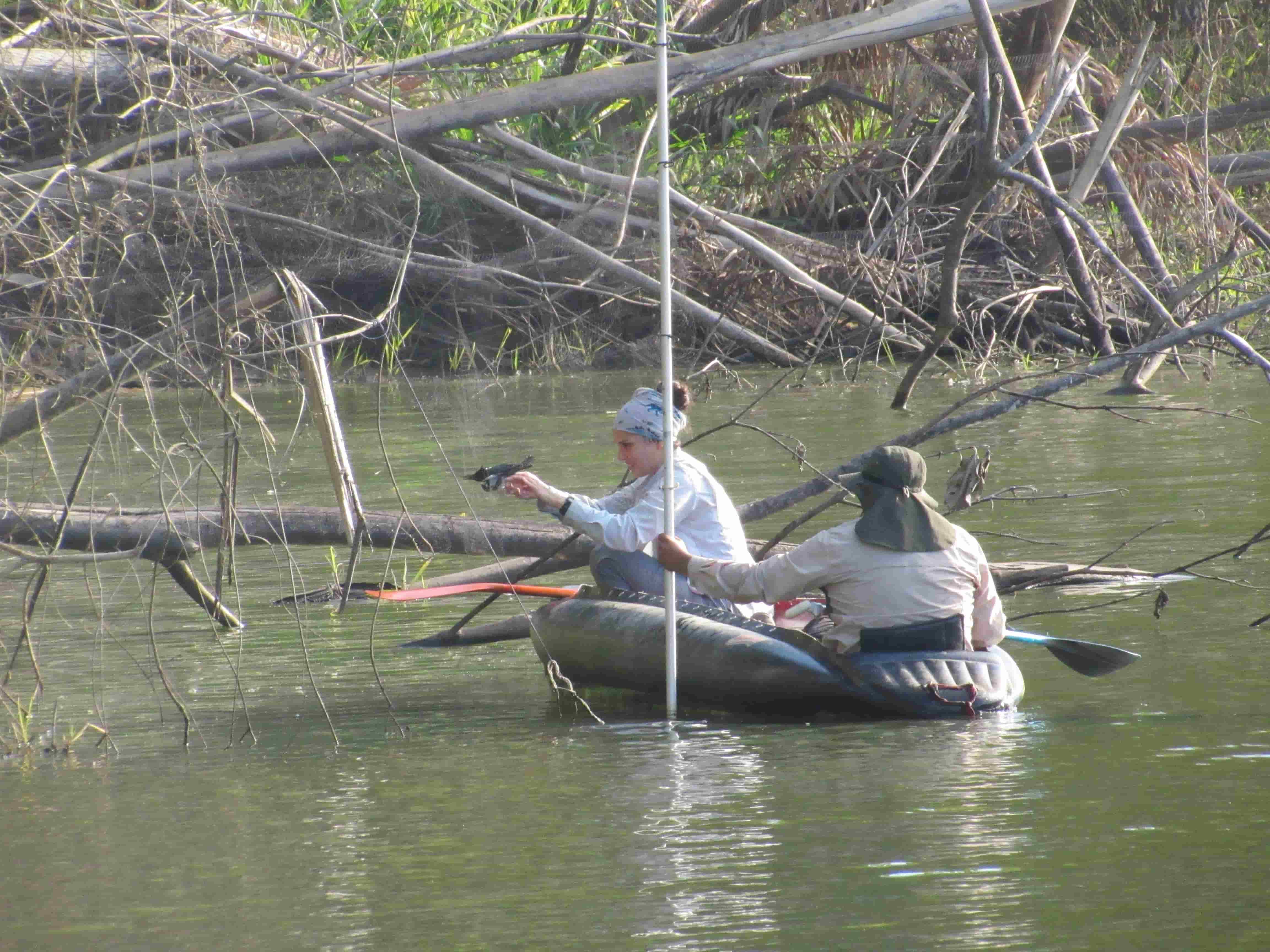
Victor and Amazon kingfisher
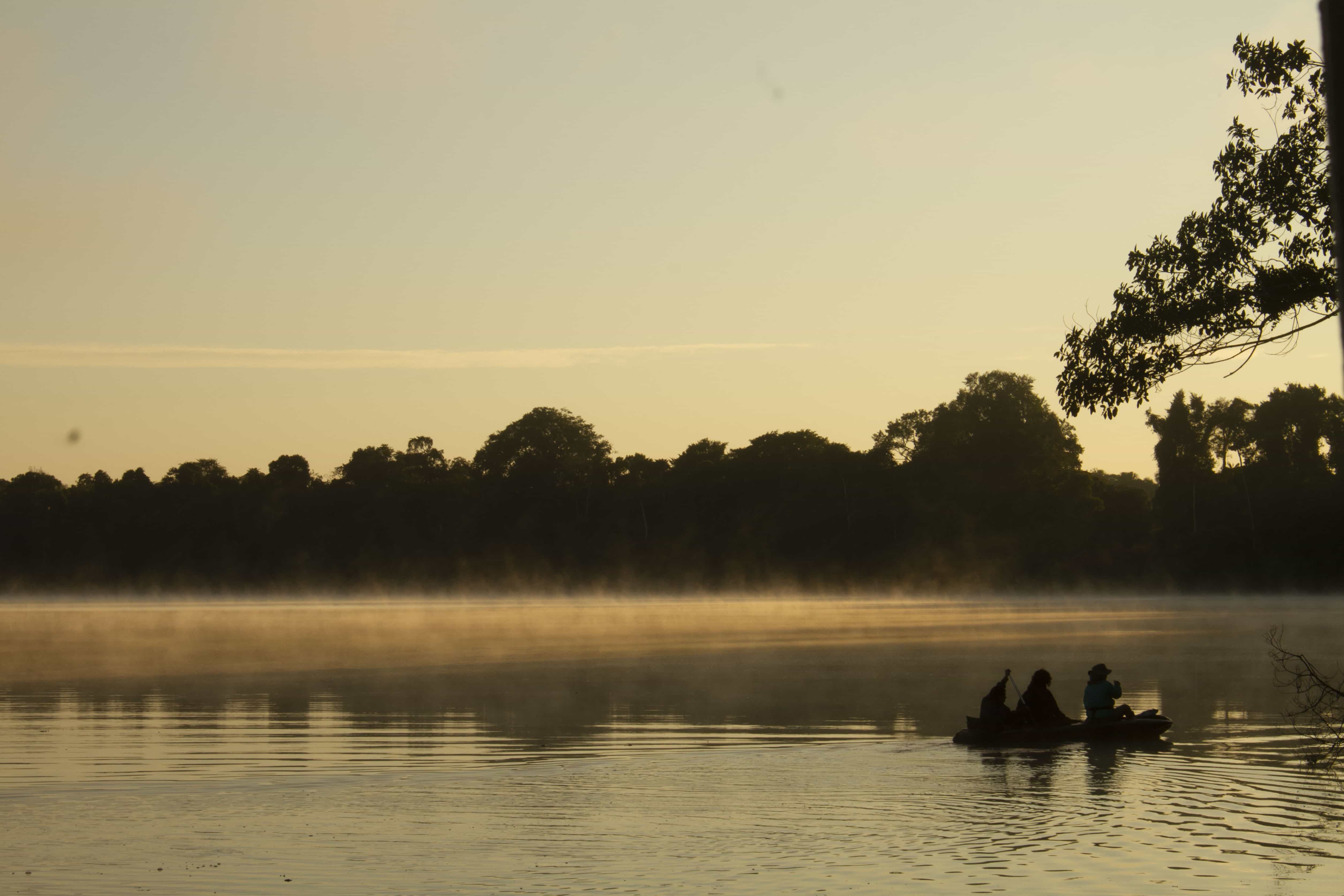
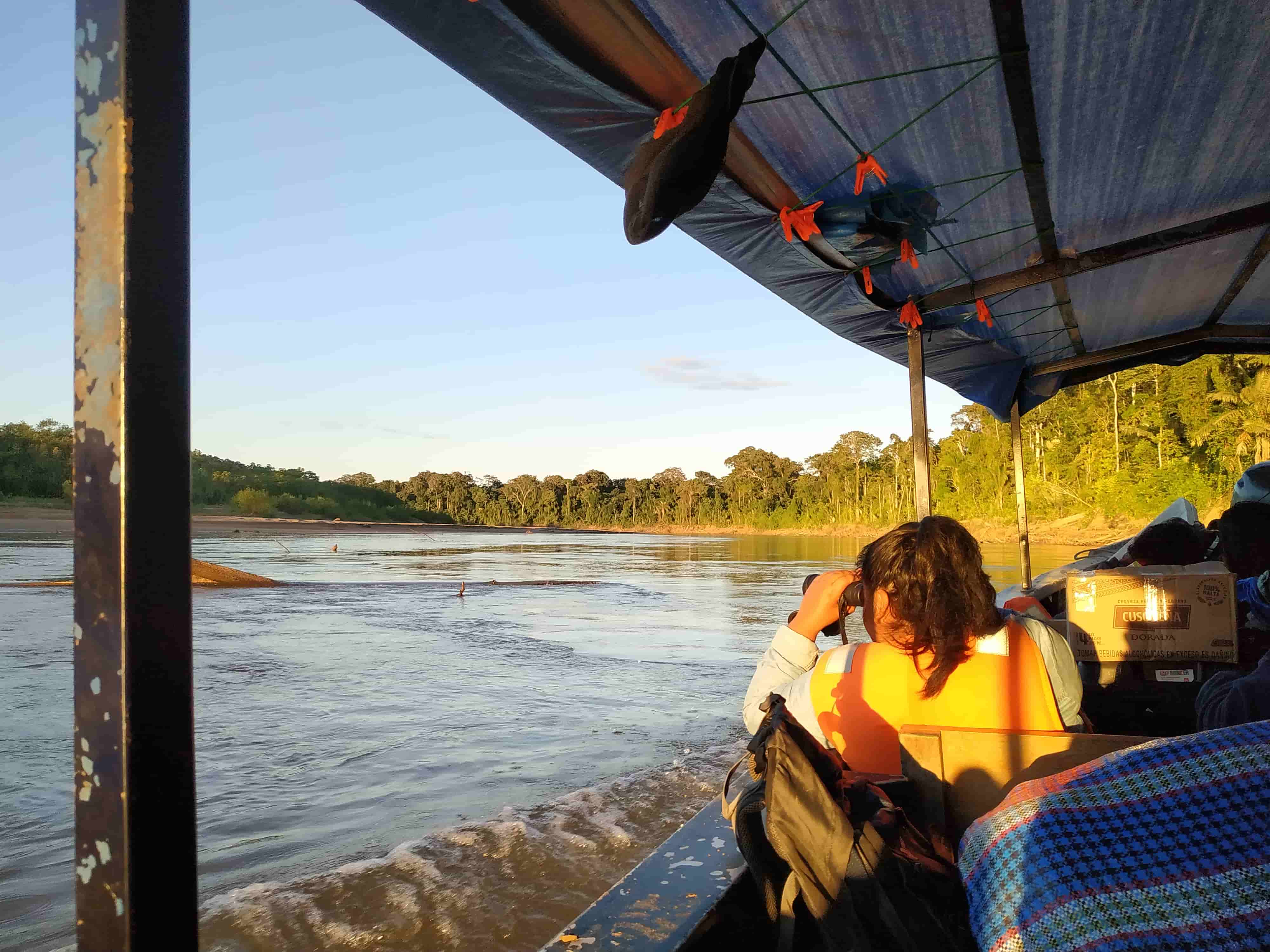
Cris looking out from boat
Tali and Victor recovering bird from net in boat

Our research group investigates biological responses to anthropogenic change through an integrative genomic lens.

We study how environmental stressors such as pollution, ecological disruption, and changing resource landscapes affect vertebrate biology across levels of organization — from gene expression and genomic variation to microbiome structure and host–microbe interactions. Our research sits at the intersection of evolutionary biology, ecology, and genomics.

By combining field sampling with genomic, transcriptomic, and microbiome approaches, we aim to understand both the mechanisms and consequences of environmental change — and what these responses can teach us about biodiversity, resilience, and the future of life in human-altered ecosystems.

Main areas of focus

01

Adaptation in Human-Altered Environments

How do animals respond to the rapid pace of anthropogenic change? We investigate evolutionary and physiological responses to pollution, habitat modification, urbanization, and other human pressures — with a particular focus on birds as sensitive ecological indicators. We use population genomics, transcriptomics, and comparative approaches to identify signatures of selection, physiological plasticity, and adaptive divergence across gradients of environmental stress.

Avian biology Population genomics Ecotoxicology
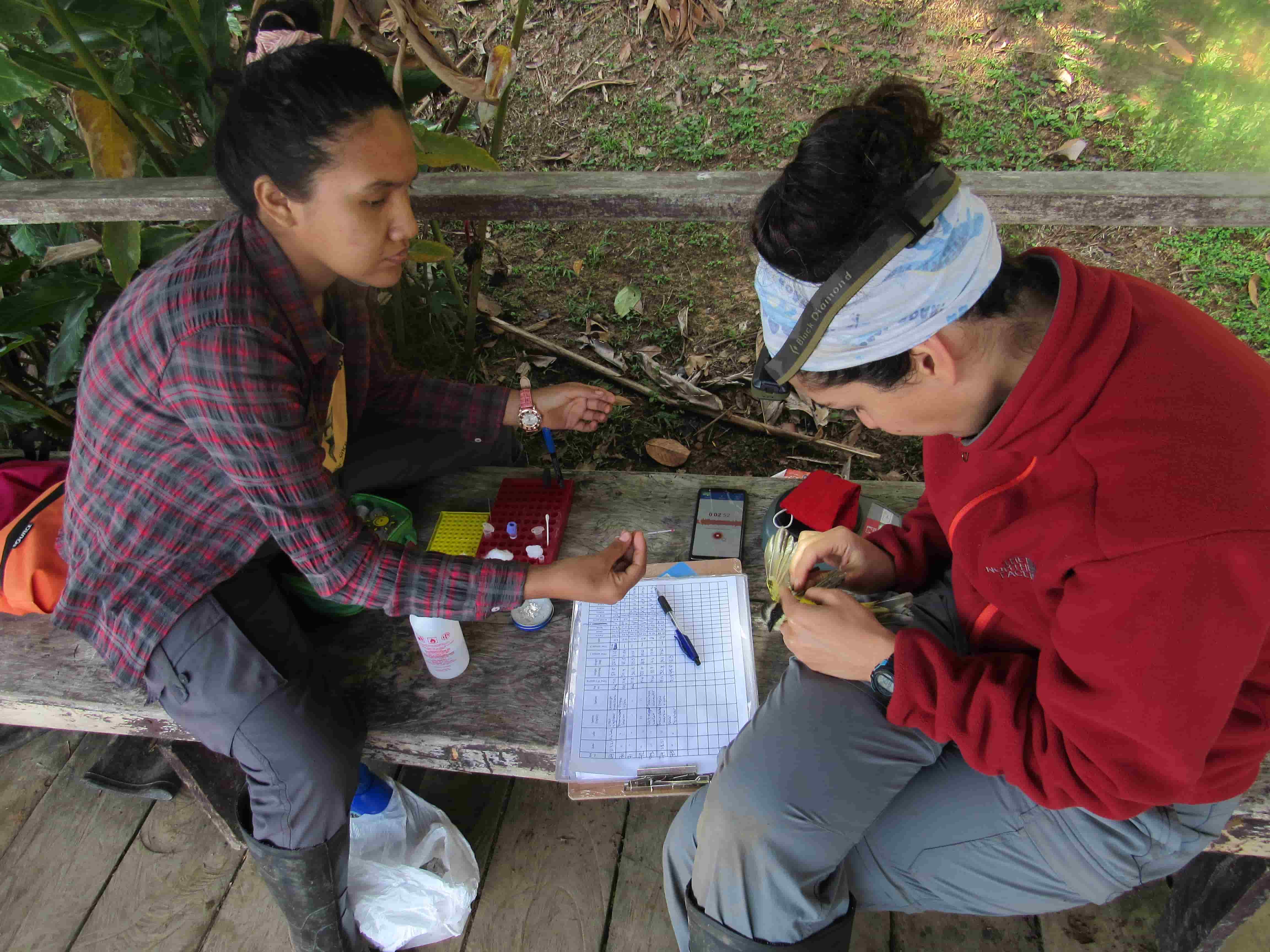
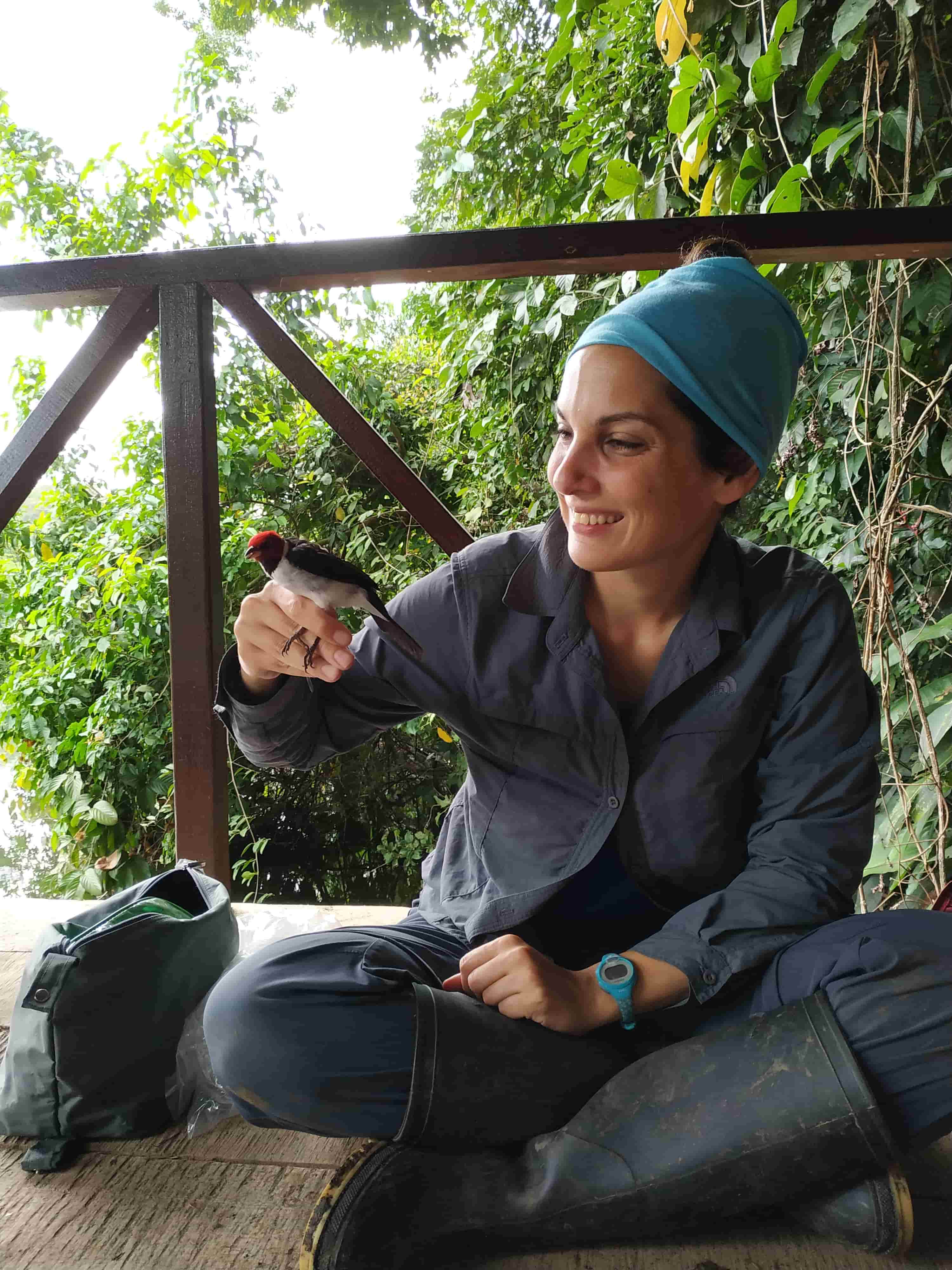
Tali and Geraldy
02

Host–Microbiome Interactions in Ecological Context

The microbiome is increasingly recognized as a key mediator of host health, development, and environmental response. We study how microbial communities associated with birds are shaped by host identity, life history stage, habitat quality, and environmental stress. Our work combines amplicon sequencing, shotgun metagenomics, and field ecology to understand host–microbe interactions in natural and disturbed populations.

Microbiome ecology 16S & metagenomics Host-symbiont coevolution
03

Ecological Genomics of Natural Populations

We apply whole-genome sequencing and population genomic analyses to study wild vertebrate populations — characterizing genetic diversity, demographic history, and the genomic basis of local adaptation. This work informs both fundamental questions about evolution in the wild and applied questions in conservation genetics and management of at-risk populations.

Whole-genome sequencing Conservation genomics Local adaptation
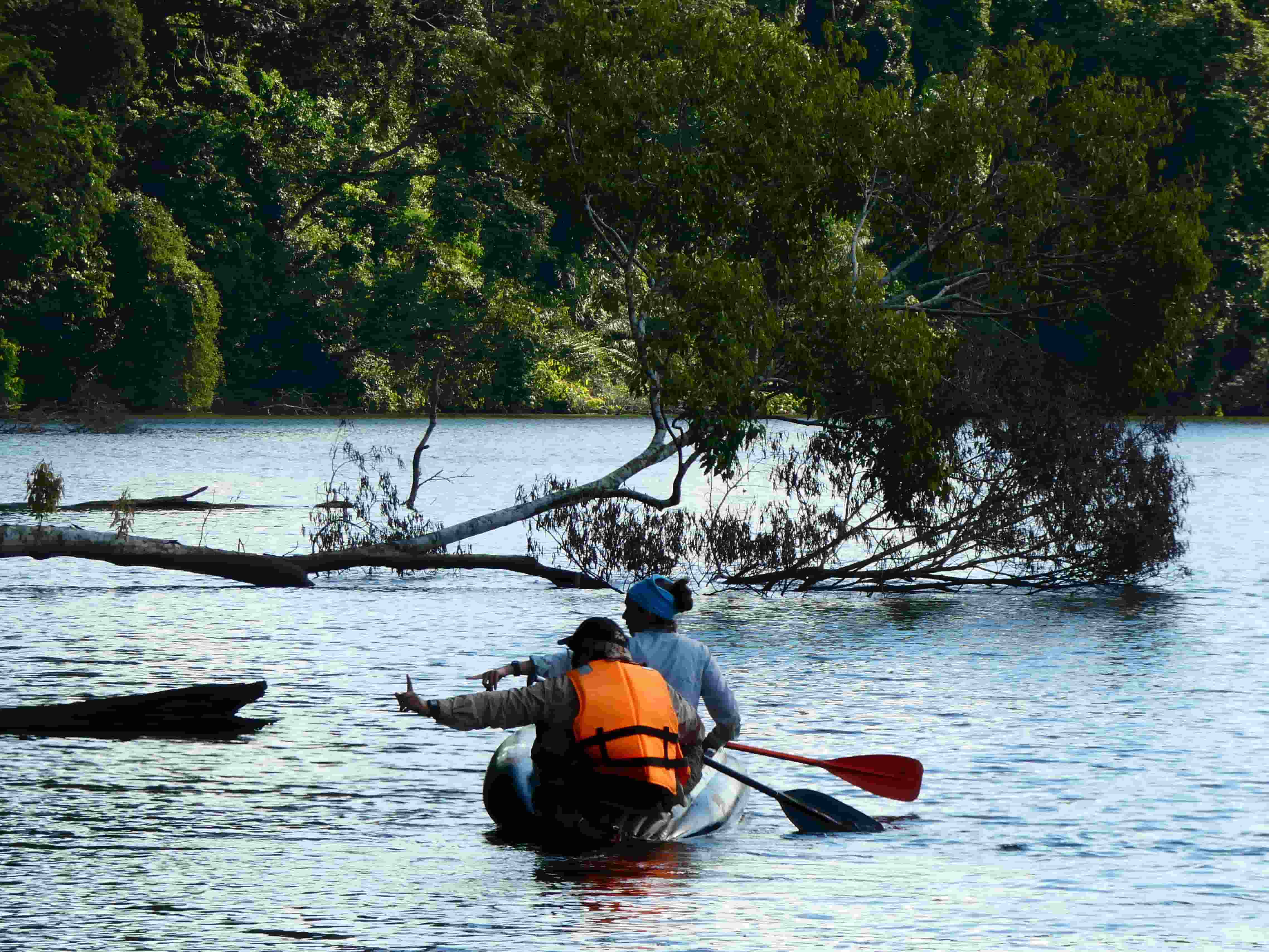
Victor and Tali in boat
04

Integrative Approaches Across Scales

A central commitment of our research group is methodological integration. The most compelling insights emerge at the intersection of field-based natural history and genome-scale data analysis. We develop and apply integrative approaches that connect individual physiology, population processes, and community-level dynamics — moving between field ecology, molecular biology, and computational analysis as the questions demand.

Field ecology Transcriptomics Bioinformatics
Dr. Tali Magory Cohen

Dr. Tali Magory Cohen

Dr. Tali Magory Cohen is an evolutionary ecologist interested in how animals respond to rapid environmental change. Her work combines genomics, microbiome research, and field ecology to study adaptation, resilience, and host–microbe interactions in natural systems.

By linking ecological context with genome-scale data, the research group aims to understand how human activities reshape organisms, populations, and the communities of microbes associated with them.

Publications Contact
David Gurevich

David Gurevich

Lab Manager

B.Sc. graduate in Environmental Sciences, with experience in academic research, research laboratory management, startup-based applied development in biotechnology, microbiology, and protein characterization.

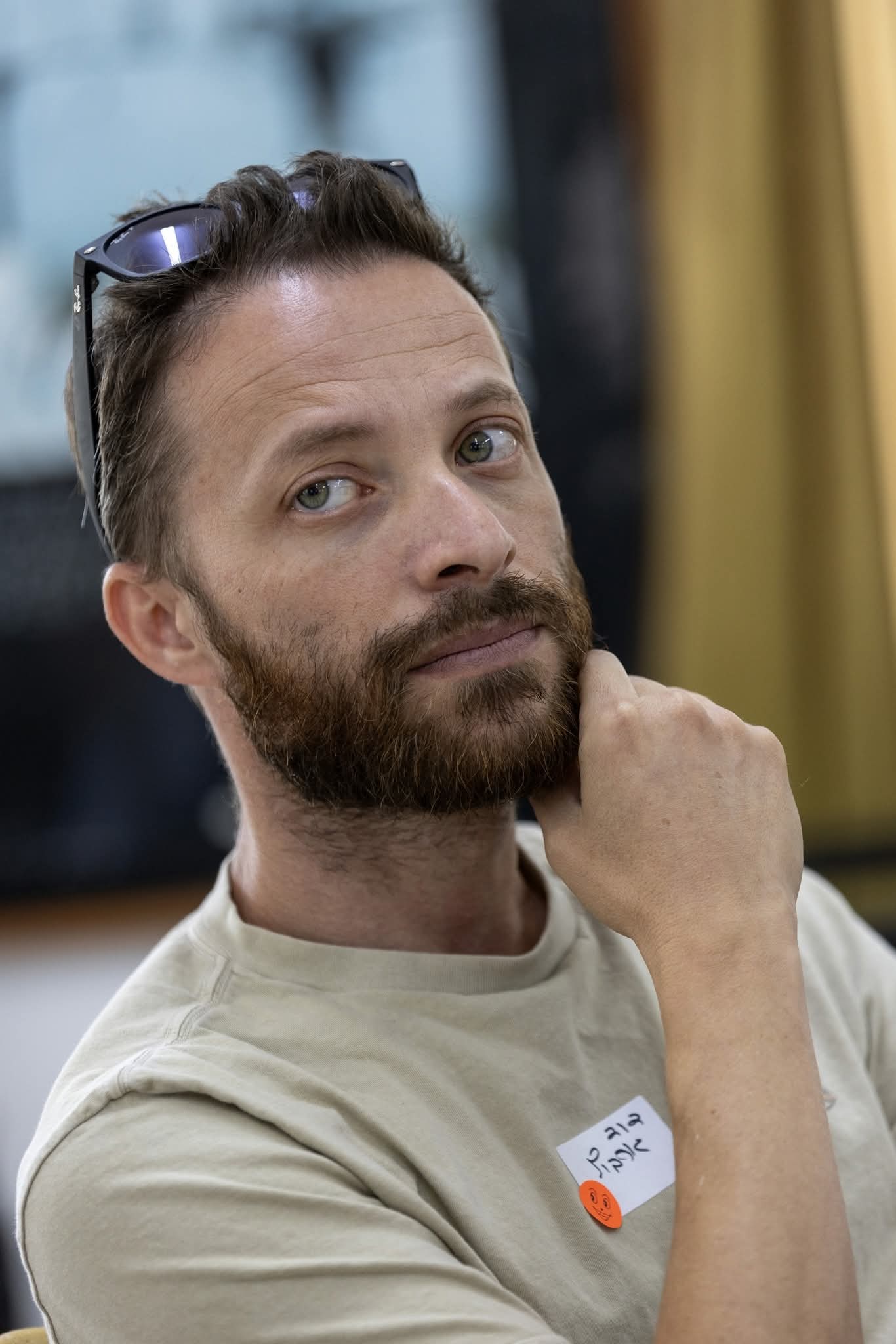
Dvir Arussi

Ph.D. Candidate

We are recruiting MSc and PhD students

Get in touch

Magory Cohen, T., Bodner, L., Turjeman, S., Sharon, E., Cohen, A., Bouchebti, S., Tikhonov, E., Koren, O., & Levin, E. (accepted)

Gut microbiome mediates an evolutionarily conserved social behavior in eusocial insects.

Animal Microbiome

PDF ↗

Magory Cohen, T., Cohen, A., Turjeman, S., Kuzi, S., Tal, S., & Koren, O. (in review)

Barking up the microbiome tree: a multi-body-site characterization of maternal postpartum and pup early colonization dynamics.

Animal Microbiome

PDF ↗

Leonard, A., …, Magory Cohen, T., … et al. (2024)

A global initiative for ecological and evolutionary hologenomics.

Trends in Ecology & Evolution

PDF ↗

Saar, M., Eyer, P. A., Magory Cohen, T., Ionescu-Hirsch, A., Dor, R. & Dorchin, N. (2023)

Systematics of harvester ants (Messor) in Israel based on integrated morphological, genetic, and ecological data.

bioRxiv 2023.07.16.549226

bioRxiv ↗

Bouchebti, S., Magory Cohen, T., Bodner, L., & Levin, E. (2023)

Chitin digestion in a eusocial insect: the digestive role of larvae in hornet colonies.

Entomologia Generalis, 14(2), 491–494

PDF ↗

Bouchebti, S., Bodner, L., Bergman, M., Magory Cohen, T., & Levin, E. (2022)

The effects of dietary proline, β-alanine, and γ-aminobutyric acid (GABA) on the nest construction behavior in the Oriental hornet (Vespa orientalis).

Scientific Reports, 12(1), 1–8

PDF ↗

Magory Cohen, T., Hauber, M. E., Akriotis, T., Crochet, P. A., Karris, G., Kirschel, A. N., Khoury, F., Menchetti, M., Mori, E., Per, E., Reino, L., Saavedra, S., Santana, J., & Dor, R. (2022)

Accelerated avian invasion into the Mediterranean region endangers biodiversity and mandates international collaboration.

Journal of Applied Ecology, 59, 1440–1455

PDF ↗

Magory Cohen, T., Kiat, Y., Sharon, H., & Levin, E. (2021)

An Alternative Hypothesis for the Evolution of Sexual Segregation in Endotherms.

Global Ecology & Biogeography, 30(12), 2420–2430

PDF ↗

Shpigler, H. Y., Ben Shimol, E., Ben-Betzalel, R., Magory Cohen, T. & Levin, E. (2021)

Juvenile hormone increases metabolic rate and protein turnover in bumble bees (Bombus terrestris).

Hormones and Behavior, 136, 105073

PDF ↗

Magory Cohen, T., Major, R., Kumar, R. S., Nair, M., Ewart, K., Hauber, M. E., & Dor, R. (2021)

Rapid morphological changes as agents of adaptation in introduced populations of the common myna (Acridotheres tristis).

Evolutionary Ecology, 35, 443–462

PDF ↗

Haran, R., Magory Cohen, T., & Dor, R. (2021)

Adult sex ratio and identification of Eastern Orphean Warbler Sylvia crassirostris during autumn migration.

Sandgrouse, 43, 90–98

PDF ↗

Magory Cohen, T., Kumar, S., Nair, M., Hauber, M., & Dor, R. (2020)

Innovation and decreased neophobia are important for invasion success in a widespread avian invader.

Animal Behaviour, 163, 61–72

PDF ↗

Magory Cohen, T., & Dor, R. (2019)

The effect of local species composition on the distribution of an avian invader.

Scientific Reports, 9, 15861

PDF ↗

Levitt-Barmats, Y., Yanai, Z., Magory Cohen, T., & Shenkar, N. (2019)

Life-history traits and ecological characteristics of the ornamental shrimp Neocaridina denticulata, recently introduced into the freshwater systems of Israel.

Aquatic Invasions, 14(4), 684–702

PDF ↗

Magory Cohen, T., McKinney, M., Kark, S. & Dor, R. (2019)

Global invasion in progress: The current and potential global distribution of the Common Myna (Acridotheres tristis).

Biological Invasions, 21(4), 1295–1309

PDF ↗

Magory Cohen, T., Haran, R. & Dor, R. (2018)

Signals of local adaptation across an environmental gradient among highly connected populations of the Dead Sea Sparrow Passer moabiticus in Israel.

Ibis, 161(3), 619–631

PDF ↗

Ewart, K. M., Griffin, A., Johnson, R. N., Kark, S., Magory Cohen, T., Lo, N., Major, R. E. (2018)

Two speed invasion: assisted and intrinsic dispersal of common mynas over 150 years of colonization.

Journal of Biogeography, 46(1), 45–57

PDF ↗

Dar-Nimrod, I., MacNevin, G., Godwin, A., Lynch, K., Magory Cohen, T., & Morandini, J. (2018)

Genetic Knowledge within a National Australian Sample: Comparisons with Other Diverse Populations.

Public Health Genomics, 21, 133–143

PDF ↗

Sinaiko, G., Magory Cohen, T., Dor, R. & Meiri, S. (2017)

Taxonomic revision of Israeli snakes belonging to the Platyceps rhodorachis species complex (Reptilia: Squamata: Colubridae).

Zootaxa, 4379(3), 301–346

PDF ↗

Magory Cohen, T., Narkiss, T., Dolev, A., Ben-Ari, Y., Kronfeld-Schor, N., Guter, A., Saltz, D., & Bar-Gal, G. K. (2013)

Genetic Diversity of the Eurasian Otter (Lutra lutra) Population in Israel.

Journal of Heredity, 104(2), 192–201

PDF ↗

Magory Cohen, T., King, R., Dolev, A., Boldo, A., Lichter-Peled, A., & Bar-Gal, G. K. (2013)

Genetic characterization of populations of the golden jackal and the red fox in Israel.

Conservation Genetics, 14(1), 55–63

PDF ↗

Full list: Google Scholar ↗

2025
Spring

Lab Launch

Magory Lab opens at Hula Research Center

The Magory Research Group of Ecological Genomics is now officially open at Tel-Hai, University of Kiryat Shmona. We are excited to begin our work at the intersection of ecological genomics, evolutionary ecology, and host-microbiome research in the Galilee region.

Ongoing

Recruitment

Open positions for MSc and PhD students

We are looking for motivated graduate students to join the research group. Projects are available across our research themes. See the Join page for details.

Join the Research Group

MSc & PhD Students

We welcome applications from motivated students interested in ecological genomics, evolutionary ecology, conservation biology, avian biology, or host-microbiome research. A background in biology or related fields and an interest in combining fieldwork with molecular and computational approaches are desirable. Please contact Dr. Magory Cohen with a CV and a brief statement of your research interests.

Postdoctoral Researchers

Postdoctoral opportunities depend on available funding. Candidates interested in applying for independent fellowships to work with the research group are encouraged to reach out. We are happy to collaborate on fellowship applications with well-matched candidates.

Undergraduate Projects

Please contact Dr. Magory Cohen for current undergraduate project opportunities.

Collaborations

We are open to collaborations with researchers working on related questions in ecological genomics, wildlife biology, ecotoxicology, or conservation science. Please get in touch to discuss potential partnerships.

Contact

Principal Investigator Dr. Tali Magory Cohen
Location Hula Research Center
Tel-Hai
University of Kiryat Shmona
Galilee, Israel
Google Scholar Profile ↗